

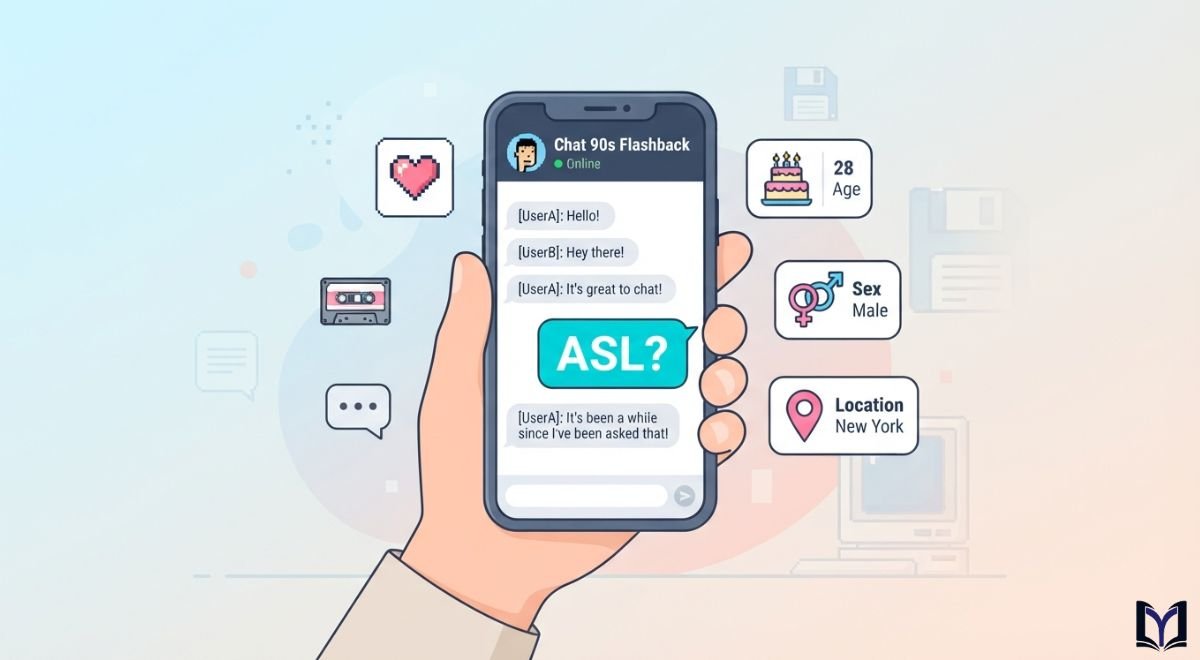
Have you ever received a message saying “ASL?” and wondered what it means? The asl meaning in text can change depending on the conversation, platform, and wording. In many older online chats, ASL means Age, Sex, Location, a quick way to ask someone for basic details. However, modern ASL slang has another popular meaning. When someone writes “tired asl” or “funny asl,” they usually mean “tired as hell” or “funny as hell.”
You may see this abbreviation on Snapchat, Instagram, TikTok, Discord, or other messaging platforms. Understanding the context makes the meaning much easier to spot. This guide explains ASL clearly, including its uses, examples, replies, and alternative meanings.
What Does ASL Mean in Text?
The most common ASL meaning in texting depends on how someone writes it. When a person sends “ASL?” by itself, they usually mean Age, Sex, Location. In simple terms, they want to know your age, sex or gender, and location. This ASL question became popular in early internet chat rooms where strangers met and started an online conversation. Instead of asking three separate questions, users typed three letters. Today, you may still see this ASL abbreviation in private messages, gaming communities, or conversations with strangers. If you see “ASL?” standing alone, the traditional meaning is usually the best place to start.
There is another important ASL text meaning. When “asl” appears after an adjective, it often means “as hell.” For example, “I’m tired asl” means “I’m very tired.” Likewise, “That movie was funny asl” means the movie was extremely funny. This use adds emphasis to a statement. It has become a recognizable form of ASL slang in modern texting. A simple trick can help you identify the meaning. Replace “asl” with “as hell.” If the sentence still makes sense, the sender probably means “as hell.” Context is the key.
| ASL Usage | Meaning | Example |
| “ASL?” | Age, Sex, Location | “ASL? I’m 21, male, Texas.” |
| “tired asl” | as hell | “I’m tired asl today.” |
| “funny asl” | as hell | “That video is funny asl.” |
| “I’m learning ASL” | American Sign Language | “I’m learning ASL online.” |
What Does “ASL” Mean When It Says “Funny ASL”?
When someone writes “funny asl,” the ASL slang meaning is almost always “funny as hell.” Here, ASL doesn’t ask for your age, sex, or location. It works as an intensifier. You can see the same pattern in phrases such as “cute asl,” “cold asl,” “busy asl,” or “happy asl.” The lowercase spelling also gives you a useful clue. A standalone “ASL?” usually points toward the older Age, Sex, Location meaning. Lowercase “asl” inside a sentence usually means “as hell.”
What Does ASL Mean on Snapchat and Social Media?
The ASL meaning on Snapchat can vary greatly depending on the conversation. If someone sends only “ASL?” in a private message, they may be asking for your age, gender, and general location. This can happen when strangers begin talking. However, if a friend writes “I’m bored asl,” the meaning changes completely. In that sentence, ASL means “as hell.” This distinction also applies to the broader ASL meaning on social media. Sentence structure often tells you more than capitalization does.
You can encounter ASL on social media across several platforms. People may use ASL on TikTok, ASL on Instagram, ASL on Discord, or ASL on WhatsApp. The older question still appears in some private conversations. The “as hell” version is more likely to appear as part of casual slang. On Snapchat, for example, “You’re funny asl” is a compliment. On Instagram, “That dress is cute asl” adds emphasis. On Discord, someone might say “This game is hard asl.” In each case, the surrounding words reveal the intended meaning.
Related Articles: MYF Meaning in Text: What Does MYF Mean and How to Use It?
ASL on Snapchat vs. Instagram and TikTok
The ASL meaning on Snapchat often depends on whether the message stands alone or appears within a sentence. A stranger writing “ASL?” may want your basic details. A friend writing “I’m hungry asl” uses the abbreviation for emphasis. The same rule applies to ASL on Instagram and ASL on TikTok. Comments, direct messages, and group conversations can all use different forms of slang. When you’re unsure, read the entire message instead of focusing on the three letters alone.
What Does ASL Mean on Omegle and Online Chats?
Historically, ASL on Omegle and similar services usually meant Age, Sex, Location. Omegle connected strangers for online conversations, so users often wanted basic information before continuing. A person could type “ASL?” as a quick conversation starter. The other person might answer with their age, gender, and broad location. This saved time and helped strangers decide whether they wanted to keep talking. The abbreviation became strongly associated with anonymous online chats and random conversations.
The same pattern appeared in older chat rooms and messaging services. ASL in chat rooms was especially common during the early internet era. Someone might write “A/S/L?” and receive an answer such as “19, female, Canada.” The exact format varied. Some people used “A/S/L,” while others used “ASL?” or “asl?” The meaning stayed the same. Today, this use may feel somewhat old-fashioned. Still, understanding it helps when you encounter the abbreviation in older posts, online communities, or conversations that follow traditional chat culture.
Why Did People Ask “ASL?” in Online Chat Rooms?
People used ASL? because it compressed three personal questions into one short message. In a busy chat room, speed mattered. Users wanted to know someone’s age, sex or gender, and location before investing time in a conversation. It worked like a quick introduction form. Modern messaging has made this style less common. Many people now ask these questions separately or learn about someone naturally through conversation.
What Does ASL Stand For?
The traditional ASL full form in online chatting is Age, Sex, Location. The first letter represents age. The second traditionally represents sex, although many people now understand the question as asking about gender. The final letter represents location. Usually, location means a broad area such as a city, state, or country. It shouldn’t mean your exact home address. This three-part phrase explains why someone may send the ASL question without any additional words.
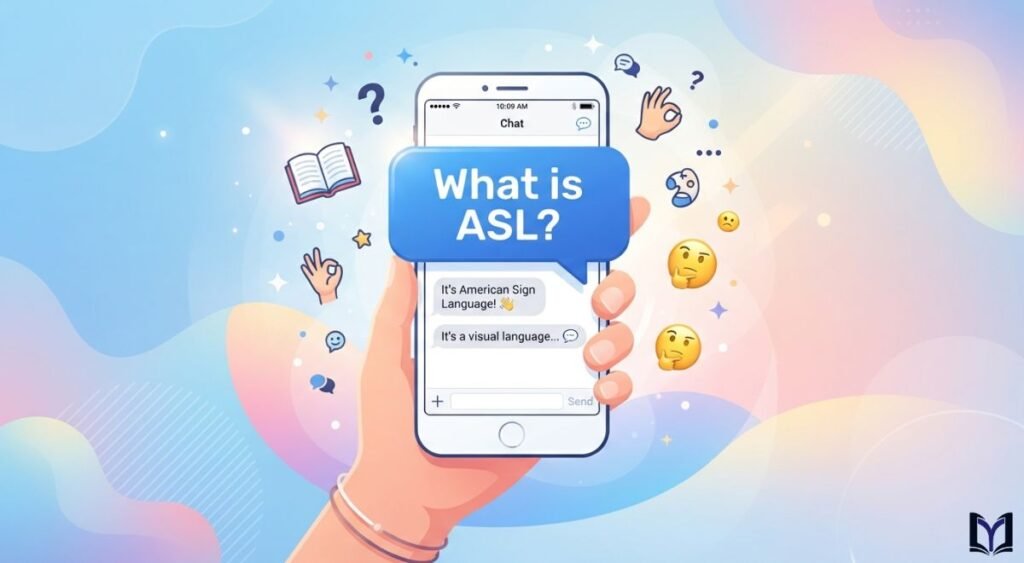
However, ASL has more than one meaning. In language and accessibility contexts, it commonly means American Sign Language. This is a complete visual language used by many people in the Deaf community and by others who communicate through sign language. Therefore, you shouldn’t assume that every appearance of ASL refers to texting slang. The surrounding context matters. “ASL?” in an anonymous chat has a different meaning from “I’m taking an ASL class.” The abbreviation stays the same. The meaning changes.
| Letters | Traditional Chat Meaning |
| A | Age |
| S | Sex or gender |
| L | Location |
What Is the Full Form of ASL?
The traditional ASL full form is Age, Sex, Location. In casual modern use, some people interpret “sex” as gender. You may also see ASL used for American Sign Language. Capitalization alone doesn’t always tell you which meaning applies. The sentence and subject provide stronger clues.
How Is ASL Used in Texting? Examples
The best way to understand ASL in texting is to look at real conversation patterns. Suppose a stranger sends “ASL?” That person probably wants your age, gender, and location. Now imagine a friend sends, “That test was hard asl.” The friend isn’t asking personal questions. They mean the test was extremely hard. Another message might say, “You look cute asl today.” Again, the abbreviation means “as hell.” These examples show why the exact position of ASL matters.
Modern text messages often use abbreviations to make conversations faster. The same applies to gaming chats, group messages, and private conversations. Someone playing an online game might say, “This boss is difficult asl.” A person on a dating app might receive “ASL?” from someone trying to learn basic details. These uses may look identical at first glance. Yet the sentence context separates them quickly. Think of ASL like a word with two doors. The surrounding conversation tells you which door to open.
ASL Texting Examples With Meaning
Here are several common examples that show the difference clearly.
| Text Example | ASL Meaning | Explanation |
| “ASL?” | Age, Sex, Location | The sender asks for basic personal details. |
| “I’m tired asl.” | as hell | The sender means extremely tired. |
| “That was funny asl.” | as hell | The sender strongly emphasizes “funny.” |
| “ASL? I’m 22, female, Ohio.” | Age, Sex, Location | The sender answers the traditional question. |
| “This weather is hot asl.” | as hell | The sender means extremely hot. |
| “Do you know ASL?” | American Sign Language | The context refers to a sign language. |
How Do You Reply to ASL?
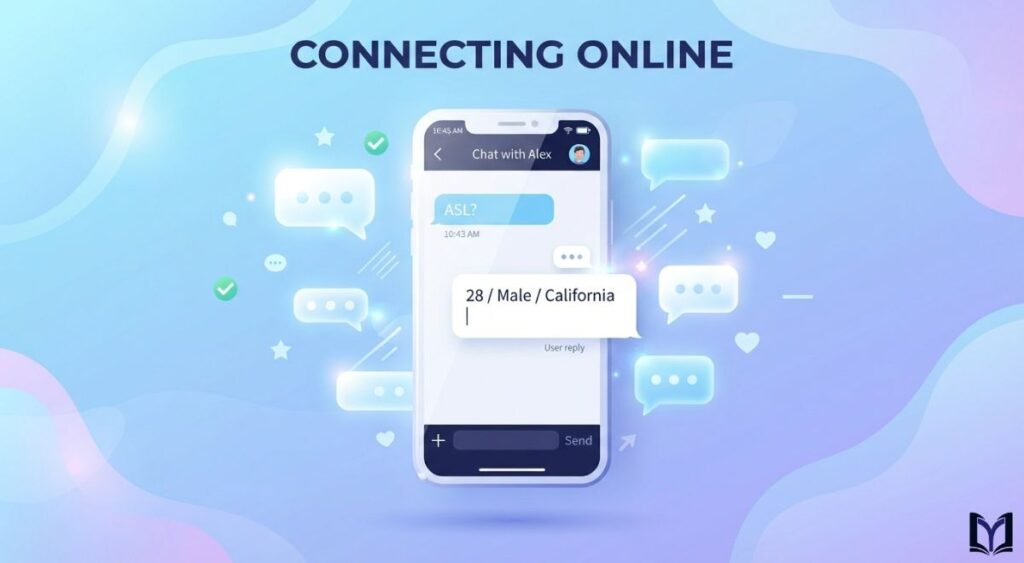
Your ASL response should match the meaning of the message. If someone sends “ASL?” and you feel comfortable answering, you can provide your age, gender, and general location. For example, “21, female, Texas” gives all three answers quickly. You can also ask the same question back. A simple “21, male, Florida. You?” keeps the conversation moving. You don’t need to write a full sentence because the abbreviation already implies three questions.
You also have every right to protect your privacy. If a stranger asks for your personal information, you can simply decline. A response such as “I’d rather not share that” is perfectly reasonable. You can also ask, “Who are you?” before answering. Never feel pressured to provide your exact address, phone number, passwords, school details, or other sensitive information. If someone uses “asl” to mean “as hell,” your reply should address the actual statement instead. For example, if someone says “That movie was funny asl,” you might reply, “Seriously, I couldn’t stop laughing.”
Examples of Replies to “ASL?”
A direct reply to ASL could be “23, male, California.” A privacy-friendly ASL response could be “I’m 23, but I don’t share my location.” If you aren’t sure what the sender means, ask, “Do you mean age, sex, location?” This short question removes confusion before you share anything.
Is ASL Still Popular in Texting and Social Media?
The traditional ASL meaning online isn’t as popular as it once was. During the early days of internet chat, “ASL?” was a familiar conversation starter. Today, people often ask “How old are you?” or “Where are you from?” instead. Modern platforms also provide profile information that older chat rooms didn’t have. A user’s profile, bio, location tag, or interests may already provide useful context. As a result, the old ASL abbreviation can sometimes sound dated.
The ASL internet slang meaning “as hell” has a different place in modern communication. It fits naturally into casual messages and social posts. Younger users may see “cute asl” or “busy asl” more often than the standalone “ASL?” question. This doesn’t mean the traditional meaning has disappeared. It still appears in some online conversation, gaming communities, and private messages. The key difference is context. A standalone question and a sentence-ending abbreviation usually point toward different meanings.
Related Articles: MYF Meaning in Text: What Does MYF Mean and How to Use It?
Is ASL an Old-Fashioned Texting Abbreviation?
In many modern conversations, ASL? can feel old-fashioned. People often prefer direct questions now. However, the abbreviation remains understandable to many internet users. Its newer “as hell” usage also keeps ASL relevant in casual social media language. So, the abbreviation hasn’t vanished. Its common meaning has simply shifted in some communities.
Other Meanings of ASL Online
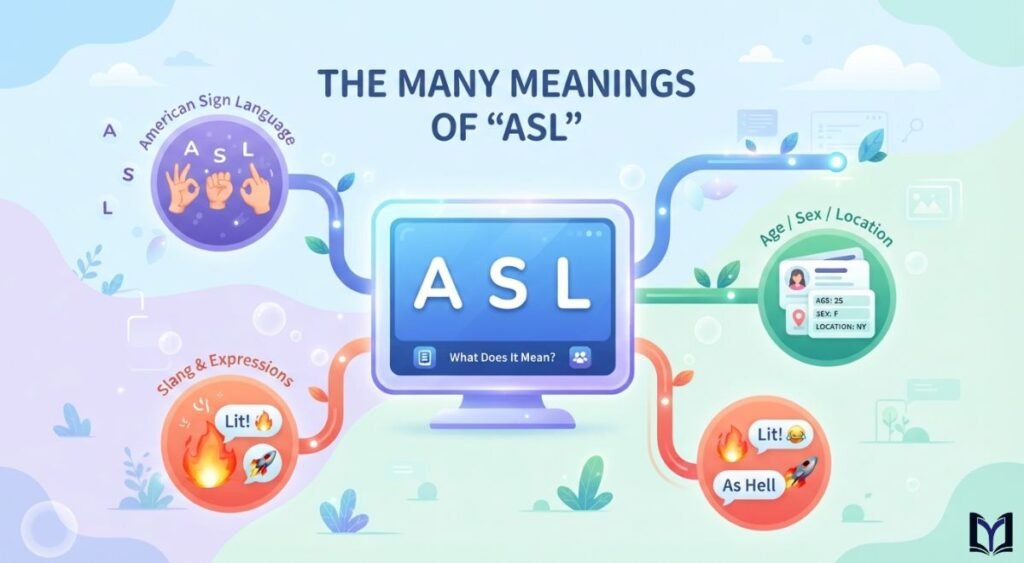
The most important alternative meaning of ASL is American Sign Language. In this context, ASL isn’t slang at all. It’s a complete language with its own grammar, vocabulary, and linguistic structure. You may see it in discussions about accessibility, education, communication, or the Deaf community. A sentence such as “My sister is learning ASL” clearly refers to the language. It doesn’t refer to Age, Sex, Location or “as hell.”
There are also alternative meanings of ASL in specialized fields. In medical terminology, ASL can refer to Arterial Spin Labeling, a technique used in MRI imaging to study blood flow. The intended meaning becomes clear from the surrounding subject. This is why context matters so much when interpreting an abbreviation. A casual message, a language class, and a medical research paper can all use the same three letters differently.
| Context | ASL Meaning |
| “ASL?” in a chat | Age, Sex, Location |
| “I’m learning ASL.” | American Sign Language |
| “ASL MRI study” | Arterial Spin Labeling |
| “I’m tired asl.” | as hell |
| Deaf education | American Sign Language |
ASL Meaning in Medical Terms
In medical settings, Arterial Spin Labeling is an MRI imaging technique that can measure blood flow without the same type of contrast approach used in some other imaging methods. This meaning has nothing to do with ASL slang. If you encounter ASL in a medical report, research article, or hospital setting, the surrounding medical context determines the definition.
ASL vs. American Sign Language
The difference between ASL meaning in text and American Sign Language is straightforward when you examine the sentence. “ASL?” in an anonymous chat usually asks for personal details. “I know ASL” refers to the language. One functions as a chat abbreviation. The other describes a complete form of communication. Context prevents most confusion.
Is ASL Rude, Flirty, or Offensive?
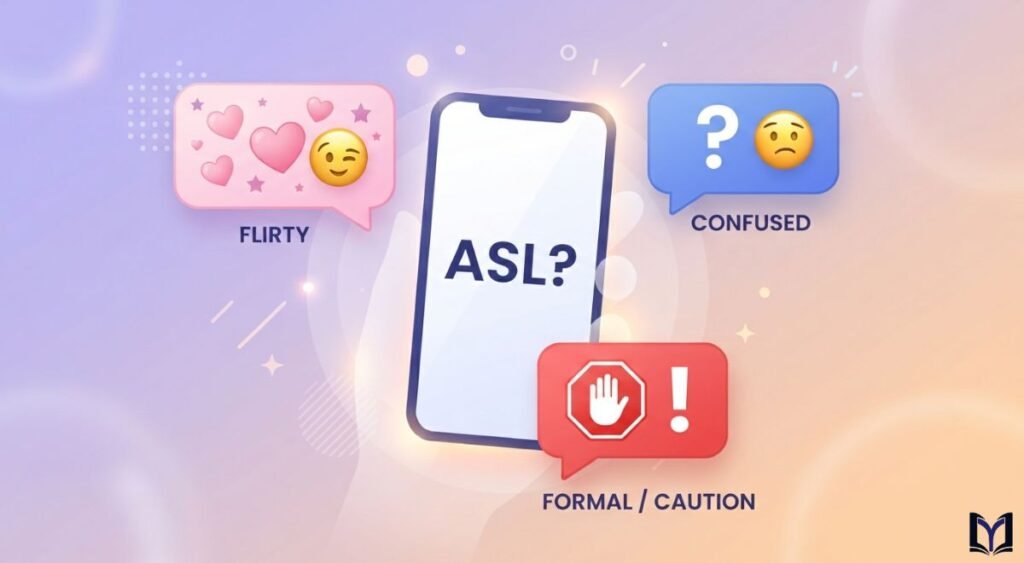
By itself, ASL isn’t automatically rude, flirty, or offensive. However, asking “ASL?” immediately can feel personal. A stranger is requesting information about your age, gender, and location before building trust. Some people won’t mind. Others may find the question intrusive. Your relationship with the sender matters. So does the platform. A close friend asking may feel harmless. An unknown person asking can feel uncomfortable.
The ASL slang version can also carry a slightly stronger tone because “as hell” is informal. Phrases such as “cute asl” or “hot asl” may sound complimentary or flirtatious depending on the conversation. Yet ASL itself isn’t a romantic phrase. The surrounding words create that meaning. If someone writes “You’re funny asl,” it could simply mean they find you very funny. If someone uses it while discussing attraction, the tone may become more flirtatious.
Can ASL Be Flirty in a Text?
ASL isn’t inherently flirty. A standalone ASL question simply asks for information when used in its traditional sense. However, someone may use it as an opening move on dating apps or in a private conversation. In that situation, the larger conversation can make the question feel romantic or suggestive. Context determines the tone.
When Should You Use or Avoid ASL?
You can use ASL in a casual conversation when everyone understands the slang and feels comfortable sharing basic information. It can work in informal chat rooms, gaming chats, or conversations with people you already know. The “as hell” version works naturally in casual messages too. For example, “I’m hungry asl” sounds normal in informal texting. However, you should think twice before using the traditional ASL question with strangers. Not everyone wants to share personal details.
Avoid the abbreviation in professional communication and formal conversations. A workplace email isn’t the right place for internet slang. You should also avoid requesting sensitive details from strangers. A general location such as a state or country may be enough when location matters. Never ask someone to provide their exact address. Good online safety means knowing that you don’t owe anyone private information. The same rule applies when someone asks you for personal details.
When Should You Avoid Asking Someone “ASL?”
Avoid asking “ASL?” when the situation requires privacy, professionalism, or trust. You should be especially careful when talking with unknown strangers online. If someone asks for details that go beyond age, gender, and general location, slow down. Protect your personal information first. A conversation isn’t worth risking your safety.
Conclusion
The asl meaning in text depends mainly on context. When someone sends “ASL?” by itself, the traditional meaning is Age, Sex, Location. This ASL meaning in chat became popular through early internet chat rooms and anonymous online conversations. However, modern slang gives lowercase “asl” another common meaning: “as hell.” A message such as “tired asl” simply means “extremely tired.” That distinction makes it much easier to understand ASL meaning on Snapchat, ASL meaning on social media, and other messaging platforms.
You may also see ASL meaning American Sign Language in education, accessibility, and the Deaf community. Medical sources can use it for Arterial Spin Labeling. Therefore, never judge an abbreviation by its letters alone. Look at the sentence, platform, and conversation around it. If someone asks “ASL?” and you don’t feel comfortable answering, you can always decline. Understanding the slang is useful. Protecting your privacy matters more.
FAQ’s About Asl Meaning In Text
What does asl meaning in text?
In texting, “asl” usually means “as hell” when used after an adjective, such as “tired asl.”
What does ASL mean in texting slang?
ASL commonly means “as hell” in modern texting slang. It adds emphasis to a feeling or description.
What does “I’m bored asl” mean?
It means “I’m extremely bored” or “I’m bored as hell.”
What does fine ASL mean in texting?
“Fine asl” means “extremely fine” or very attractive, depending on the conversation.
What does “pretty asl” mean?
“Pretty asl” means “very pretty” or “pretty as hell.” It’s a casual compliment.
Related Articles: MYF Meaning in Text: What Does MYF Mean and How to Use It?

Welcome to Meanings There! I’m the creator and author behind this website, sharing useful meanings, explanations, and informative content to make words and phrases easier to understand.